Kaieteur Fall: Power and Majesty of a Timeless Giant Up
Hidden within the vast rainforest interior of Guyana lies a natural phenomenon that feels both ancient and overwhelming. The Kaieteur Fall stands as a testament to the raw power of nature, untouched by crowds or commercial development. Unlike many famous waterfalls shaped by tourism, this colossal cascade remains fiercely wild. Its isolation, scale, and thunderous presence combine to create an experience that is as humbling as it is unforgettable.
A Waterfall That Commands Global Respect
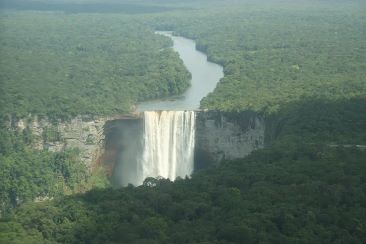
This waterfall is often described as one of the most powerful on Earth. Its uninterrupted plunge drops from a sandstone escarpment into a deep gorge below. What makes it extraordinary is the balance of height and water volume. Many waterfalls may be taller, and others may carry more water, but very few combine both so dramatically. The result is a roaring spectacle that dominates the surrounding landscape.
The Potaro River's Journey to the Edge
The story of the Kaieteur Fall begins far upstream. The Potaro River flows steadily through Guyana's interior, collecting rainfall from dense tropical forests. As it moves across the plateau, the river widens and slows. Near the edge, however, the terrain changes suddenly. The river narrows, accelerates, and is forced over a cliff. This sudden release of energy creates the immense power witnessed at the gorge.
Ancient Rock Formations and Geological Legacy
The cliffs surrounding the waterfall belong to the Guiana Shield. It is one of the oldest geological formations on the planet. These rocks are estimated to be billions of years old. Long before dinosaurs or flowering plants existed, this landmass was already forming. Erosion over countless millennia carved valleys and plateaus, shaping the dramatic drop that exists today. The falls are not just scenic but historically profound.
A Landscape Defined by Isolation
Isolation plays a key role in preserving the site's purity. Dense rainforest stretches for miles in every direction. Roads are nonexistent, and access is limited. This remoteness protects fragile ecosystems and discourages overuse. Visitors often describe a sense of stepping back in time. The absence of urban noise allows natural sounds to dominate, from rushing water to distant bird calls.
Indigenous Stories and Spiritual Meaning
For Indigenous communities, the waterfall holds deep cultural meaning. Oral histories passed through generations describe sacrifice, leadership, and respect for the land. These stories are woven into the identity of the region. The name itself carries symbolic weight, reminding visitors that this place has significance beyond its physical beauty. Cultural heritage remains inseparable from the natural environment.
A Unique Microclimate Created by Mist
The constant spray rising from the gorge creates a specialized microclimate. Moisture levels remain high year-round near the falls. This environment allows rare plant species to thrive. Mosses blanket rocks, while orchids cling to cliff faces. The famous giant tank bromeliads store water within their leaves, forming miniature ecosystems that support insects and amphibians.
The Remarkable Golden Frog Habitat
One of the most fascinating inhabitants of the area is the tiny golden frog. Found almost exclusively near the falls, this amphibian depends on bromeliads for survival. The water trapped inside the plant leaves provides shelter and breeding grounds. Its limited range makes conservation especially important. The presence of such species highlights the area's ecological uniqueness.
Birdlife That Animates the Cliffs
Bird species flourish in the surrounding forests and cliffs. The Guianan cock-of-the-rock, known for its vivid orange plumage, nests near rocky ledges. Swifts and swallows dart through the mist, feeding on insects carried by air currents. Raptors soar above the plateau, using thermal updrafts created by rising warm air. The waterfall acts as a focal point for avian activity.
Mammals Hidden Within the Forest Depths
While rarely seen, larger mammals inhabit the national park. Jaguars, giant anteaters, and bush dogs roam deeper forest zones. Giant river otters patrol nearby waterways. These animals depend on the intact ecosystem for survival. Their presence signals environmental health, reinforcing the importance of strict conservation measures.
Seasonal Variations That Reshape the Falls
The appearance of the Kaieteur Fall shifts with seasonal rainfall. During the wet season, water volume increases dramatically. The cascade becomes wider, louder, and more forceful. Mist fills the gorge, often obscuring the base entirely. In drier months, the water narrows slightly, revealing rock formations and river patterns. Each season offers a distinct visual character.
Weather Patterns and Viewing Conditions
Weather plays a major role in visitor experience. Clear mornings often provide the best visibility. Clouds tend to build later in the day, sometimes bringing sudden rain. Wind direction influences mist movement, changing how the Kaieteur Fall are seen from different viewpoints. These shifting conditions ensure that no two visits are ever the same.
Carefully Designed Viewing Points
Designated viewpoints allow safe observation without disrupting the environment. These natural lookouts provide sweeping panoramas of the plateau and gorge. Some viewpoints emphasize the vertical drop, while others showcase the river's approach to the edge. Trails connecting these points pass through savannah grasslands and forest patches, offering varied scenery.
Walking Trails and Natural Surroundings
Short walking paths within the park encourage exploration without environmental harm. These trails are intentionally minimal, blending into the landscape. Walking through open savannahs offers unobstructed views of the sky. Forested sections provide shade and cooler temperatures. The simplicity of the trails enhances immersion rather than distraction.
The Role of Kaieteur National Park
The establishment of the national park was crucial for long-term protection. Regulations limit visitor numbers and prohibit commercial exploitation. Research programs monitor wildlife populations and plant health. Environmental education initiatives help locals and visitors understand the importance of preservation. Protection ensures that the ecosystem remains balanced.
Sustainable Tourism Practices
Tourism here follows a low-impact model. Small visitor groups reduce strain on the environment. Flights are regulated, and overnight stays are restricted. Waste management rules are strictly enforced. These measures prioritize conservation over convenience, ensuring that natural integrity remains intact.
The Aerial Approach Experience
For most visitors, arrival by small aircraft is the most practical option. The flight itself is unforgettable. Endless rainforest stretches beneath, broken only by winding rivers. As the plane descends, the plateau emerges, revealing cliffs and open grasslands. The sense of remoteness becomes immediately apparent.
Overland Exploration for Adventurers
Overland access exists but is extremely challenging. It involves multi-day treks through dense forest and rugged terrain. These journeys require experienced guides and careful planning. While demanding, they offer deep immersion into the rainforest environment. Few travelers choose this route, adding to the site's exclusivity.
Photography Challenges and Rewards
Capturing the scale of the waterfall presents unique challenges. Wide-angle lenses help, but perspective can still feel limited. Mist often settles on camera lenses, requiring patience. Light shifts rapidly as clouds move across the plateau. Despite these difficulties, photographers are rewarded with dramatic compositions and ever-changing scenes.
Sound, Silence, and Sensory Impact
The soundscape is as powerful as the visual display. The roar of falling water dominates, yet moments of calm exist between gusts of wind. Bird calls echo across open spaces. The combination of sound and silence heightens awareness, grounding visitors in the present moment.
Emotional Impact on Visitors
Many visitors describe a deep emotional response. Standing near the edge evokes awe and humility. The sheer scale reminds people of nature's dominance. Without crowds or distractions, reflection comes naturally. The experience often feels personal, even transformative.
Comparisons to Other Famous Waterfalls
Unlike heavily visited waterfalls worldwide, this site remains largely untouched. There are no railings crowding viewpoints or souvenir stalls nearby. The absence of infrastructure preserves authenticity. Comparisons often highlight how rare such pristine conditions have become in modern tourism.
Environmental Lessons from a Pristine Site
This waterfall serves as a reminder of what conservation can achieve. Protecting large ecosystems preserves biodiversity and cultural heritage. It demonstrates that tourism and preservation can coexist when managed responsibly. The site becomes an example rather than an exception.
Climate Change and Future Concerns
Changing climate patterns pose potential risks. Altered rainfall cycles could affect river flow. Rising temperatures may impact sensitive plant species. Ongoing research aims to understand these risks and develop adaptive strategies. Preservation efforts must evolve alongside environmental changes.
A Symbol of Untouched Wilderness
Few places on Earth still feel completely wild. The Kaieteur Fall represents one of them. Its continued existence depends on respect, restraint, and responsible stewardship. It symbolizes nature's resilience and humanity's responsibility to protect what cannot be replaced.
Why Kaieteur Fall Endures in Memory
Long after visitors leave, memories remain vivid. The sound of water, the endless horizon, and the feeling of insignificance stay etched in mind. Kaieteur Fall is not just seen; it is experienced deeply. Its power, beauty, and solitude combine into something timeless.
Preserving a Natural Giant for Future Generations
As global landscapes change, preserving such places becomes increasingly vital. This waterfall stands as a living reminder of Earth's ancient strength. Protecting it ensures that future generations can witness the same raw beauty. Kaieteur Fall remains a symbol of power, balance, and enduring natural majesty.
Share the buzz