Patalpani Falls: Experience the Grandeur of Madhya Pradesh
Madhya Pradesh is often called the soul of India, and its landscapes justify that title with ease. Among its many natural wonders, Patalpani Falls stands out as a destination that blends power, mystery, and serenity. Dense forests, ancient hills, and flowing rivers shape the state's identity. This waterfall is not just a scenic stop near Indore. It is an experience shaped by seasons, folklore, and the quiet rhythm of rural life. Travelers arrive expecting views and leave with stories, reflections, and a deeper respect for nature's force.
The First Impression: Where Water Meets Wilderness
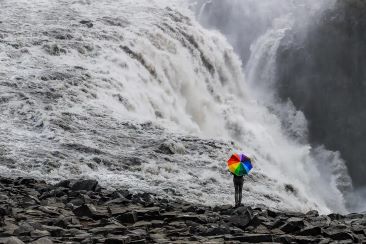
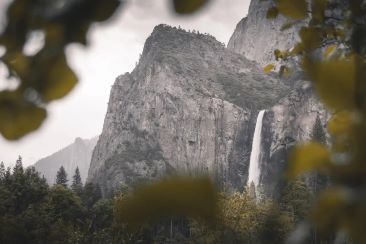
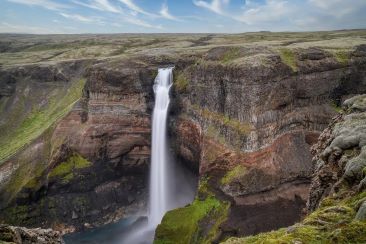
The approach to the waterfall sets the tone for the visit. Narrow roads cut through green stretches, especially after the rains. The air grows cooler as the sound of water becomes clearer. From the first viewpoint, the landscape opens dramatically. A vertical drop Bhivpuri Falls slices through rocky cliffs, creating a visual that feels both raw and poetic. Mist rises and settles on nearby vegetation, adding softness to the rugged terrain. This first encounter often leaves visitors silent, absorbing the scale and emotion of the scene.
Understanding the Landscape and Terrain
The surrounding region of Patalpani Falls is shaped by the ancient Vindhya range. These hills are among the oldest geological formations in India. Over centuries, flowing water carved deep channels through hard rock. The result is a steep gorge and a dramatic cascade. During peak flow, the waterfall appears thunderous and untamed. In calmer months, the exposed rock layers reveal patterns shaped by time. This terrain explains why the area feels both stable and dynamic, grounded yet constantly changing.
Seasonal Transformations and Changing Moods
Every season reshapes the waterfall's personality. Monsoon months bring intense energy. Torrents of water rush down, creating a roar that echoes through the valley. Greenery thickens, and the entire area feels alive. Winter offers balance. The flow of Patalpani Falls becomes gentler, skies clear, and visibility improves. This season suits relaxed exploration and photography. Summer feels quiet and reflective. The reduced flow exposes more of the rock face, offering a different kind of beauty. Each visit feels new because the landscape never repeats itself.
Cultural Roots and Local Beliefs
Local communities attach deep meaning to this place. Stories passed down through generations speak of unseen depths and hidden worlds beneath the plunge pool. These beliefs are not shared as superstition but as cultural memory. They reflect respect for nature's unknown power. Tribal groups in nearby villages maintain rituals linked to water, land, and harvest cycles. Their songs, dances, and festivals often draw inspiration from the surrounding environment. For visitors, understanding these beliefs adds emotional depth to the journey.
The Role of Water in Regional Life
Water shapes daily life in central India. Rivers and seasonal streams support agriculture and sustain wildlife. The waterfall feeds into local water systems that nurture farms downstream. During the monsoon, this flow becomes especially important. Farmers view the rains and the cascade as signs of abundance. This connection explains why the site is respected rather than exploited. It is seen as a giver of life, not merely a tourist attraction.
Wildlife and Biodiversity Around the Falls
The forested belt surrounding the waterfall supports a range of species. Teak, bamboo, and mixed deciduous trees dominate the landscape. These forests shelter birds, insects, and small mammals. Peacocks are common sights during early mornings. Langurs move across treetops with ease. After the rains, butterflies appear in bright clusters. The ecosystem feels balanced yet sensitive. Human activity can easily disrupt it, which is why mindful travel matters here.
A Photographer's Perspective: Capturing the Essence
Photographing a Patalpani Falls requires patience and awareness. Light shifts quickly due to mist and cloud cover. Early mornings offer softer tones and fewer visitors. Long-exposure shots capture the smooth flow of water against rugged rock. Wide-angle lenses help frame the surrounding hills and forests. Even mobile photography works well when timed correctly. The challenge lies in capturing not just the view but the mood. Each frame should reflect the atmosphere as much as the landscape.
The Heritage Railway Experience Nearby
One of the most charming additions to a visit is the nearby heritage railway route. This narrow-gauge line winds through tunnels, bridges, and forested stretches. The slow pace allows travelers to absorb the scenery. Vintage coaches add nostalgia to the journey. The rhythmic sound of the train complements the natural surroundings. This experience connects history with landscape, offering a rare blend of engineering and environment.
Accessibility and Travel Planning
Reaching the waterfall is straightforward from Indore, a major urban center. Well-connected roads make the drive manageable. Public transport options exist, though private vehicles offer flexibility. The final stretch requires caution, especially during the rains. Parking areas are designated, followed by a short walk to viewpoints. Planning an early start helps avoid crowds and midday heat. Combining the visit with nearby attractions makes for a well-rounded itinerary.
Safety Considerations for Visitors
Nature's beauty comes with risks that should never be ignored. Water levels can rise suddenly during heavy rainfall. Slippery rocks pose serious danger. Warning signs are placed for good reason. Swimming near the base is unsafe and discouraged. Proper footwear improves stability on uneven ground. Families should supervise children closely. Respecting safety guidelines ensures that the experience remains enjoyable rather than hazardous.
Responsible Tourism and Environmental Awareness
Preserving natural sites requires conscious effort from every visitor. Carry reusable water bottles and avoid plastic waste. Take all litter back with you. Stick to marked paths to prevent erosion. Avoid loud noises that disturb wildlife. Supporting local vendors helps the regional economy. Responsible choices protect the site's integrity. Sustainable travel ensures that future generations experience the same sense of wonder.
Local Food and Rural Flavors
Exploring nearby villages introduces travelers to authentic regional cuisine. Simple meals made from seasonal produce reflect local traditions. Dishes often feature grains, lentils, and vegetables grown nearby. Flavors are earthy and comforting rather than spicy. Sharing a meal with locals offers insight into daily life. Food becomes a bridge between visitor and community, adding warmth to the journey.
Ideal Duration and Travel Tips
A half-day visit suits travelers with limited time. Those seeking a slower pace may spend an entire day exploring the area. Early mornings or late afternoons provide the best light and weather. Carry water, snacks, and sun protection. Check weather forecasts during monsoon season. Comfortable clothing and sturdy shoes improve the experience. Small preparations make a noticeable difference.
The Emotional Impact of Natural Spaces
Spending time near powerful natural features often triggers reflection. The constant flow of water reminds visitors of time's passage. The surrounding silence encourages introspection. Many travelers describe a sense of calm after visiting. This emotional response is not accidental. Nature has a way of grounding human thought. The waterfall becomes a space for pause and perspective.
Connecting History, Nature, and Modern Travel
What makes the Patalpani Falls unique is its layered identity. It is at once a geological feature, a cultural landmark, and a modern travel spot. Heritage railways recall colonial engineering. Tribal traditions preserve ancient relationships with land and water. Modern infrastructure allows access without overwhelming the site. This balance between old and new defines the experience.
Exploring Beyond the Main Viewpoint
While the primary viewing area draws attention, the surrounding region holds quieter spots. Forest trails lead to scenic clearings. Distant viewpoints offer different angles of the valley. These lesser-known areas provide solitude. Exploring them requires time and respect for nature. They reward travelers seeking deeper connection rather than quick photographs.
The Importance of Weather Awareness
Weather plays a defining role in shaping the visit of Patalpani Falls. Monsoon clouds can reduce visibility but enhance drama. Sudden showers are common. Carrying rain protection is wise. Winter mornings may feel chilly, especially near flowing water. Summer heat demands hydration and breaks. Understanding these patterns helps plan a comfortable trip.
Community Life Around the Waterfall
Villages near the site maintain a slow rhythm of life. Agriculture remains the primary occupation. Seasonal tourism provides additional income. Local guides share stories and practical knowledge. Their presence adds authenticity to the visit. Engaging respectfully with the community enriches the experience for both sides.
Reflection on Conservation and Future Protection
As tourism grows, pressure on natural sites increases. Conservation efforts require cooperation between authorities and visitors. Limiting litter, controlling crowds, and maintaining infrastructure are essential steps. Awareness campaigns help educate travelers. Protecting such landscapes is not optional. It is a shared responsibility shaped by everyday choices.
Conclusion: An Experience That Lingers Beyond the Visit
A journey to Patalpani Falls is more than a scenic outing. It is an encounter with nature's power, cultural memory, and quiet reflection. Each season tells a different story. Each visitor takes something personal away. Whether drawn by photography, history, or solitude, the experience leaves a lasting impression. Thoughtful planning and responsible behavior ensure that this natural treasure continues to inspire. In the heart of Madhya Pradesh, the waterfall stands as a reminder of beauty shaped by time and respect.
Share the buzz