Dudhiware Waterfall: The Hidden Treasure of Maharashtra
Hidden deep within the green folds of the Sahyadri ranges, Dudhiware Waterfall is a destination that rewards curiosity and patience. Unlike popular waterfalls crowded with tourists and vendors, this natural cascade offers silence, raw beauty, and a strong connection with the land. The journey here feels personal, almost secretive. As if nature is revealing one of its best-kept stories only to those willing to look beyond mainstream travel maps. Surrounded by forests, rocky terrain, and rural life, the waterfall represents the untouched side of Maharashtra that still thrives quietly.
Location and Regional Setting
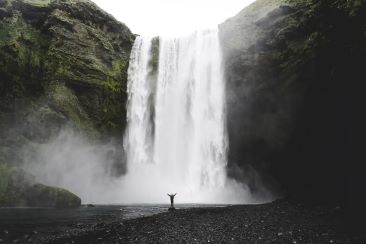
The waterfall is located in the forested belt of Maharashtra, within a region shaped by monsoon-fed streams and undulating hills. This part of the state is known for its tribal settlements, seasonal agriculture, and rich biodiversity. The approach Malshej Falls roads narrow gradually, shifting from highways to village paths, which adds to the sense of exploration. The absence of commercial tourism infrastructure keeps the surroundings pristine. That makes the destination feel remote yet deeply rewarding for nature-focused travelers.
Origin and Meaning of the Name
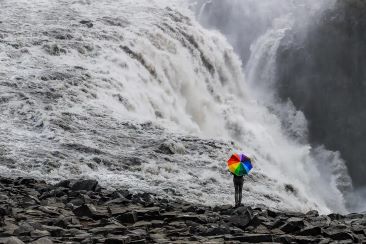
The name Dudhiware comes from the Marathi word dudh, meaning milk. During peak monsoon, the water rushes down the rocky face with great force, turning white and foamy while crashing below. This milky appearance inspired the local name and gave the Dudhiware Waterfall its unique identity. For nearby communities, the name also symbolizes purity and nourishment. That reflects the role of water in sustaining crops, forests, and daily life throughout the rainy season.
Seasonal Transformation and Best Time to Visit
Monsoon months completely transform the landscape around the waterfall. From June to September, heavy rainfall feeds the streams, swelling the cascade into a powerful flow surrounded by vibrant greenery. Mist hangs in the air, and clouds drift low over the hills, creating dramatic views. Post-monsoon months, especially October and November, offer safer trails and gentler water flow while retaining lush surroundings. Summer brings a quieter charm, though water levels reduce significantly, making the falls less dramatic but still peaceful.
The Approach and Trekking Experience
Reaching the Dudhiware Waterfall usually involves a short trek through forested paths, uneven rocks, and muddy stretches during monsoon. The trail is manageable for beginners but still demands attention and proper footwear. Walk through the forest exposes travelers to birdsong, rustling leaves, and the steady sound of flowing water. That grows louder with every step. This gradual reveal builds anticipation and makes the final view of the cascade feel truly earned rather than casually accessed.
Natural Landscape and Geological Features
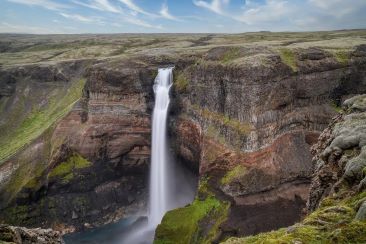
The waterfall flows over dark basalt rock formations typical of the Western Ghats. These rocks, shaped by volcanic activity millions of years ago, create sharp contrasts against the white water and green vegetation. Moss, ferns, and seasonal plants cling to the damp surfaces, enhancing the visual richness of the area. During monsoon, small streams appear everywhere, feeding into the main cascade. They turn the entire landscape into a living, moving system of water and stone.
Biodiversity and Forest Life
The surrounding forests support a wide range of plant and animal life. Native trees provide shade and shelter, while wildflowers bloom briefly during the rainy months. Birdwatchers may spot regional species perched on branches or gliding above the canopy. Insects, frogs, and small reptiles thrive in the moist environment, contributing to the ecosystem's balance. Observing this biodiversity quietly and respectfully allows visitors to appreciate how interconnected life here truly is.
Cultural Connection With Local Communities
Nearby villages maintain a strong connection with the land and forests. Many residents rely on monsoon rains for farming and seasonal livelihoods. Visitors passing through often encounter warm hospitality and simple rural lifestyles shaped by tradition and nature. Stories shared by locals reflect generations of coexistence with the surrounding hills and streams. This human element adds depth to the visit, turning it into more than a scenic stop and instead a glimpse into a way of life rooted in sustainability.
Why the Waterfall Appeals to Offbeat Travelers
The Dudhiware Waterfall holds strong appeal for travelers seeking solitude rather than spectacle. There are no loud crowds or artificial viewing platforms. Instead, visitors experience natural sounds, open space, and uninterrupted views. Photographers, writers, and solo explorers often find inspiration here, as the calm environment encourages reflection. The waterfall's understated presence proves that beauty does not always need scale or fame to leave a lasting impression.
Photography and Visual Storytelling Opportunities
Photography enthusiasts will find endless opportunities throughout the journey and at the falls. Early mornings offer soft light and mist rising from the rocks, while overcast skies enhance colors and textures. Long-exposure shots capture the smooth flow of water, while close-ups reveal intricate details of moss and stone. Even amateur photographers can return with striking images. As the natural setting does much of the creative work on its own.
Safety Considerations During Monsoon Visits
While monsoon enhances beauty, it also demands caution. Trails can become slippery, and water levels may rise suddenly after heavy rainfall upstream. Visitors should avoid standing close to the edge or attempting to cross fast-moving streams. Wearing proper trekking shoes and carrying basic first-aid supplies is essential. Responsible behavior ensures personal safety while protecting the environment from damage caused by careless movement.
Responsible and Sustainable Travel Practices
Preserving the untouched character of the Dudhiware Waterfall depends heavily on visitor awareness. Carrying back all waste, avoiding plastic use, and keeping noise levels low help maintain the natural balance. Visitors should respect local customs and avoid disturbing wildlife. Traveling in small groups reduces environmental impact and keeps the experience peaceful. Sustainable travel here is not just recommended; it is necessary to keep the area pristine for future generations.
Ideal for Short Nature Escapes
The waterfall is well-suited for weekend getaways or short nature-focused trips. Many travelers pair the visit with forest walks or quiet village stays nearby. The lack of commercial facilities encourages simple planning and mindful travel. Bringing essentials like food, water, and rain protection ensures comfort without relying on local infrastructure. This simplicity often becomes one of the most appreciated aspects of the journey.
Exploring the Surrounding Region
The broader region offers several seasonal streams, forest trails, and viewpoints that complement the waterfall visit. Exploring nearby areas reveals how water shapes the land during monsoon and retreats quietly afterward. These smaller discoveries often feel just as special as the main attraction. It reinforces the idea that the journey itself is part of the experience.
Why This Waterfall Remains Special
What truly defines this place is its untouched spirit. There is no attempt to modernize or commercialize the surroundings. Nature sets the rules, and visitors are simply guests. This authenticity creates a rare travel experience that feels honest and grounding. In a time when many destinations are losing their original character, this waterfall continues to stand quietly, unchanged and deeply refreshing.
Conclusion: Embracing a Hidden Natural Gem
For those willing to step off the usual travel routes, Dudhiware Waterfall offers a deeply fulfilling encounter with nature. Its milky cascades, forested approach, cultural surroundings, and peaceful atmosphere combine to create an ideal experience. That feels both intimate and memorable. Visiting this hidden treasure is not about ticking off a sightseeing list. It is about slowing down, listening to nature, and reconnecting with landscapes that still breathe freely.
Share the buzz