Dudhsagar Falls: Explore One of Goa Most Majestic Waterfalls
Goa is often introduced through its beaches, nightlife, and relaxed coastal rhythm. Here's a guide to explore the iconic Dudhsagar Falls with a fresh approach. Beyond the shoreline of Goa, lies a powerful natural world that many travelers overlook. Deep inside forested hills, roaring water plunges from great heights, creating one of the most dramatic landscapes in western India. The guide focuses on nature, travel planning, safety, and local context, helping you experience Goa beyond the usual trail.
Discovering a Different Side of Goa
Inland Goa feels worlds apart from the coast. Roads narrow as palm trees give way to dense forests. The air becomes cooler and heavier with moisture. Bird calls replace traffic noise. This transition sets the mood for the journey. Travelers often describe a sense of calm mixed with anticipation. The waterfall visit is not rushed sightseeing. It feels like entering a hidden natural sanctuary.
The Power and Presence of the Waterfall
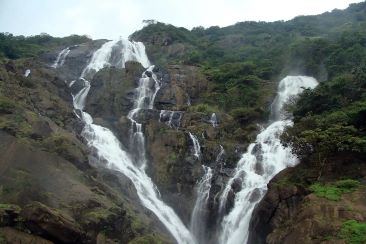
The Dudhsagar Falls commands attention even before it comes into view. The sound of rushing water grows louder as you approach. Multiple tiers allow water to tumble down steep rock faces in stages. This structure creates clouds of mist and white spray. From a distance, the falling water looks like a curtain drawn across the mountainside. Up close, the force feels raw and humbling.
Landscape Shaped by the Western Ghats
The entire region belongs to the Western Ghats mountain system. These hills are among the oldest in the world. Their steep slopes and laterite rock formations shape river paths and waterfalls. Heavy monsoon rains feed streams that remain active throughout the year. This geography explains the waterfall's dramatic height and seasonal changes. It also supports rich plant and animal life.
Seasonal Transformation of the Falls
The Dudhsagar Falls changes character with the seasons. During the monsoon, rainfall increases water volume dramatically. The cascade becomes loud, wide, and visually overwhelming. Surrounding forests turn deep green, and mist hangs in the air. In contrast, winter months offer gentler flow and clearer views. Summer brings reduced water levels but safer access. Each season offers a unique atmosphere and pace.
Choosing the Best Time to Visit
Travel timing depends on personal preference. Adventure lovers enjoy monsoon views, though access may be restricted for safety. October to January suits most travelers. Weather remains pleasant, trails stay open, and water flow remains impressive. Early mornings provide softer light and fewer crowds. Checking local advisories before departure is always wise.
Routes, Access, and Transportation
Reaching the waterfall requires careful planning. The nearest base area connects by road and rail. Trains pass close to the cascade, offering a dramatic glimpse from a distance. Road access involves forest checkpoints that regulate vehicle entry. Visitors usually park at designated points and continue via authorized transport. These measures protect both travelers and the environment.
Entry Rules and Forest Regulations
The waterfall lies within a protected forest zone. Authorities control entry numbers and timings. Plastic items are prohibited. Loud music and littering are strictly banned. Swimming near the base is unsafe due to strong currents. These rules may seem strict, but they help prevent accidents and preserve the ecosystem. Following them ensures a smooth visit.
Trekking Experiences and Trail Conditions
Trekking routes add adventure to the journey. Trails wind through forest cover, cross small streams, and navigate rocky terrain. Difficulty levels vary by season and route. Guided treks operate during approved months. Proper footwear and hydration are essential. Trekking enhances appreciation for the surrounding landscape before reaching the main viewpoint.
Wildlife and Biodiversity of the Region
The surrounding sanctuary supports diverse species. Monkeys, deer, and reptiles often appear along trails. Birdlife is especially rich, attracting nature enthusiasts. Insects and butterflies thrive after rains. The forest ecosystem remains sensitive to disturbance. Quiet observation increases chances of wildlife sightings and maintains ecological balance.
Cultural Stories and Local Beliefs
Local legends add meaning to the natural spectacle. Stories passed down through generations describe royal figures and symbolic rituals connected to the waterfall. These tales reflect how nature blends with cultural identity. While visitors may focus on scenery, locals see the site as part of their heritage.
Photography and Visual Exploration
Photography is a major attraction here. Wide-angle shots capture scale and surroundings. Slow shutter speeds create silky water effects. Mist adds drama during peak flow periods. Early mornings offer softer light and fewer people. Protecting equipment from moisture is essential. Respect safety barriers while composing shots.
What to Pack for the Journey
Packing smart improves comfort. Lightweight rain protection helps during sudden showers. Non-slip shoes provide stability on wet surfaces. Carry reusable water bottles and light snacks. Avoid heavy bags. In summer, sun protection matters. Minimal yet practical packing suits forest conditions best.
Nearby Places to Explore
The region offers several attractions nearby. Ancient temples hidden in forests reflect traditional architecture. Spice plantations provide guided walks and tastings. Nature trails lead to quiet viewpoints. Combining these spots creates a balanced itinerary. Staying overnight nearby allows slower exploration.
Facilities and Local Amenities
Facilities near the forest remain basic. Small eateries serve local meals and refreshments. Restrooms may be limited. Carry essentials like tissues and sanitizer. Supporting local vendors benefits nearby communities. Planning ahead avoids inconvenience.
Responsible Travel Practices
Responsible tourism protects fragile environments. Stick to marked paths. Avoid feeding animals. Carry back all waste. Respect forest staff and local guides. Choose shared transport when possible. Small actions reduce environmental impact and preserve natural beauty.
Tips for Families and Solo Travelers
Families should choose safer seasons and guided access. Solo travelers benefit from joining groups. Starting early helps avoid queues and heat. Mobile connectivity may be limited. Inform someone about your plans before trekking. Preparation increases safety and enjoyment.
Experiencing the Waterfall Mindfully
Beyond photography and checklists, the experience invites mindfulness. The sound of water, cool air, and forest scents create a grounding effect. Sitting quietly near viewpoints offers reflection. Many travelers describe a sense of perspective after the visit. Nature's scale puts everyday concerns into context.
Why This Destination Matters
This Dudhsagar Falls represent Goa's inland identity. It shows that the state is more than beaches and parties. Forests, rivers, and mountains form an equally important narrative. Dudhsagar Falls stands as a symbol of natural power and diversity. It encourages travelers to explore deeper and travel thoughtfully.
Final Thoughts
A journey here rewards those who plan well and travel responsibly. Seasonal awareness, respect for rules, and environmental care shape the experience. Whether you seek adventure, photography, or quiet connection with nature, this destination delivers lasting memories. Dudhsagar Falls is not just a sight to see. It is an experience to feel, respect, and remember.
Share the buzz