Discover Purwa Falls: A Tranquil Escape in Madhya Pradesh
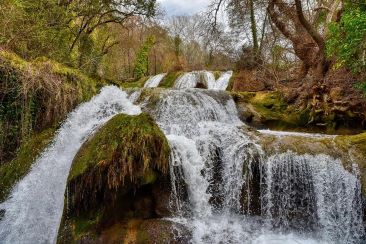
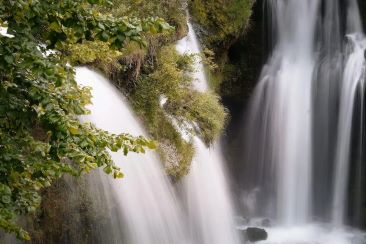
Tucked away in the quieter corners of central India, Purwa Falls represents a unique destination that rewards patience and curiosity. Far removed from loud viewpoints and commercial setups, this is a serene waterfall. That invites travelers to slow down and observe nature in its raw form. The sound of water echoing against ancient rock faces blends with forest silence, creating an atmosphere that feels grounding and timeless. For visitors who value calm surroundings and authentic landscapes, this destination offers a refreshing contrast to mainstream tourist attractions. The experience here is not rushed or curated, allowing nature to set the pace.
Geographic Setting and Regional Importance
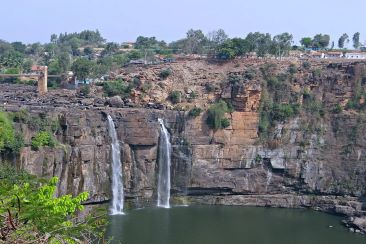
Situated in the northeastern part of Madhya Pradesh, the waterfall lies close to Rewa. Rewa is a region shaped by plateaus, ravines, and seasonal rivers. The surrounding terrain belongs to the ancient Vindhya Range, a geological system known for its rocky escarpments and tablelands. These formations influence drainage patterns and give rise to waterfalls. That Mandu Falls appear dramatic during rains and subdued during dry months. The regional setting plays a crucial role in maintaining biodiversity and sustaining local water sources.
Geological History and Rock Formations
The rock layers visible around the cascade are remnants of sedimentary formations formed millions of years ago. Over time, wind and water erosion sculpted the cliffs into stepped surfaces and uneven ledges. These geological features are not only visually striking but also serve as natural channels that guide water flow. Observing these formations offers insight into how landscapes evolve slowly, shaped by consistent natural forces rather than sudden events. For geology enthusiasts, the area acts as an open-air classroom.
Natural Landscape and Biodiversity
The surrounding ecosystem supports a variety of plant species adapted to rocky soil and seasonal water availability. Grasses, shrubs, and small trees thrive near the stream, while hardier vegetation occupies higher ground. Birds are frequently seen near water pools, drawn by insects and shelter. Butterflies and dragonflies add subtle movement and color to the landscape. This balance between water and land creates a microhabitat that sustains life throughout the year, even during drier periods.
Seasonal Transformations and Changing Moods
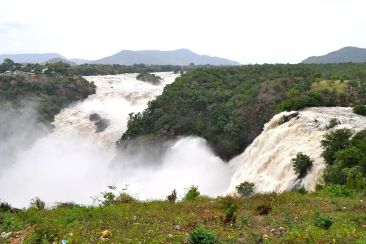
Monsoon rains bring vitality to the Purwa Falls swelling the stream and amplifying the sound of falling water. The air feels cooler and carries the scent of wet earth, enhancing the sensory experience. Post-monsoon months strike a balance between flow and accessibility, making trails safer while retaining greenery. Winter offers clarity and stillness, with crisp mornings and gentle sunlight. Summer strips the scene down to its essentials, revealing rock textures and quiet pools that emphasize solitude.
Accessibility and Travel Experience
Reaching the site involves traveling through Rewa district, an area well connected by rail and road. The journey itself becomes part of the experience, as highways gradually give way to rural roads. Fields, small settlements, and open landscapes provide a glimpse into regional life. Local transport options are readily available, though private vehicles offer flexibility for exploration. The final approach often feels remote, heightening anticipation.
Cultural Landscape and Human Connection
Villages near the Purwa Falls reflect a lifestyle shaped by land and seasons. Farming activities dominate daily routines, and water sources are treated with respect due to their importance. Elders often share stories tied to local landmarks, blending folklore with lived experience. Festivals and rituals occasionally reference natural elements, reinforcing the connection between community and environment. Visitors who take time to interact respectfully gain a deeper understanding of the region beyond its scenery.
Quiet Activities for Mindful Travelers
Rather than structured entertainment, the area encourages simple, meaningful activities. Walking slowly along natural paths allows visitors to notice details often missed elsewhere. Sitting near the water fosters reflection and calm. Birdwatching becomes rewarding due to minimal disturbance. Sketching, journaling, or reading feels natural in such surroundings. These activities align with the destination's unhurried rhythm, offering mental clarity and relaxation.
Photography and Visual Storytelling
The interplay of light and shadow across rock surfaces creates dynamic compositions throughout the day. Early morning light softens textures, while afternoon sun highlights contrasts. During monsoon months, mist adds atmosphere and depth to images. Even minimal equipment can capture compelling visuals, as the setting naturally frames itself. Photographers often find that patience yields better results than constant movement, mirroring the overall pace of the place.
Nearby Natural Attractions and Exploration Options
Travelers exploring the Purwa Falls often include nearby sites to create a balanced itinerary. One prominent example is Keoti Falls, known for its powerful drop and expansive views. Visiting multiple waterfalls highlights how variations in terrain influence water behavior. Such short excursions deepen appreciation for the plateau's diversity and encourage longer stays in the region.
Responsible Travel and Environmental Care
Maintaining the area's pristine condition depends largely on visitor behavior. Carrying waste back, avoiding loud music, and respecting wildlife are essential practices. Rocks can become slippery, especially after rainfall, so caution is necessary. Swimming should be avoided during strong currents. Responsible travel ensures that the site remains safe and inviting while preserving its natural character.
Appeal for Slow Travel and Wellness Seekers
The absence of crowds and commercial development makes this destination ideal for slow travel. It allows visitors to disconnect from constant digital engagement and reconnect with natural rhythms. The quiet environment supports mental rest, stress reduction, and creative thinking. Writers, artists, and solo travelers often find inspiration here. They are drawn by the balance of movement and stillness present in the landscape.
Educational Value and Awareness
Beyond leisure, the area offers educational value for students and nature enthusiasts. Observing erosion patterns, vegetation zones, and seasonal changes provides practical learning opportunities. Local guides, when available, can share insights into regional ecology and history. Such experiences foster environmental awareness and appreciation, encouraging visitors to view natural sites as living systems rather than static attractions.
Conclusion: A Meaningful Escape into Nature
Purwa Falls may not feature on every travel checklist, yet its understated charm resonates deeply with those who visit. It offers a reminder that meaningful journeys often involve quiet moments rather than grand spectacles. Surrounded by ancient rock, flowing water, and open skies, this tranquil setting invites reflection and respect for nature. For travelers seeking authenticity and calm in central India, it remains a destination worth discovering and preserving.
Youtube Video
Share the buzz