Mandu Waterfalls: A Beautiful Waterfall in Madhya Pradesh
Mandu is often remembered for its grand forts, Afghan architecture, and romantic legends. Yet, beyond stone walls and ancient gateways, another side of this historic town named as Mandu Waterfalls that quietly reveals itself during the rainy season. Hidden among cliffs and forested slopes, flowing streams emerge and tumble into deep valleys. These waterfalls bring movement, sound, and freshness to an otherwise silent landscape of ruins. This detailed guide explores their natural charm, historical context, seasonal appeal, and travel insights, helping readers experience Mandu beyond monuments.
1. Mandu's Landscape: A Plateau Shaped by Nature
Mandu rests on the Vindhya plateau, rising above the Malwa plains. This elevated terrain shapes everything visitors see. Steep escarpments form natural boundaries, while gentle slopes collect rainwater. During monsoon months, accumulated water finds paths through rocks and soil. It Dham Falls flows outward from the plateau's edge, forming temporary cascades. These natural channels explain why waterfalls appear suddenly and disappear just as quietly when rains end.
2. Climate and Rainfall Patterns of the Region
The region experiences three clear seasons. Summers are dry and warm. Winters remain mild and pleasant. Monsoon months, from late June to September, transform the environment. Heavy rainfall feeds streams and fills reservoirs. Humidity rises, and mist covers valleys. Waterfalls owe their existence to this seasonal rain cycle. Without consistent rainfall, the streams remain dry for most of the year.
3. Water and Survival in Historic Mandu
Water was essential to Mandu's survival as a fortified capital. Rulers invested heavily in water storage systems. Stepwells, tanks, and channels dotted the plateau. Rainwater harvesting supported the population during dry months. Overflow from these systems contributed to seasonal streams. In many ways, waterfalls represent excess water escaping ancient engineering limits. They show how nature and human planning once worked together.
4. The Visual Drama of Monsoon Cascades
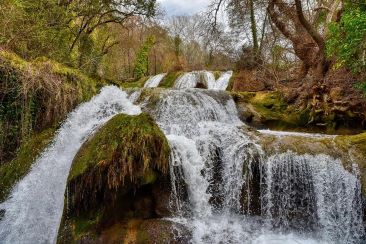
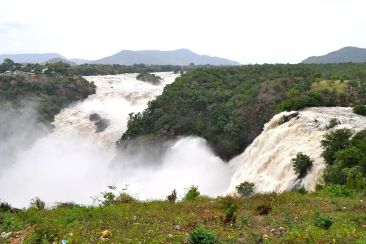
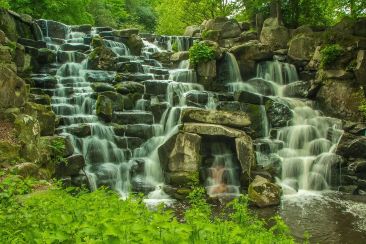
During peak monsoon, water spills dramatically over rocky cliffs. White streams contrast against dark basalt rock. Green moss spreads across wet surfaces. The sound of falling water from Mandu Waterfalls echo through valleys. Clouds drift at eye level, creating surreal scenes. This visual drama lasts only a few weeks. Its short lifespan makes it even more appealing to travelers seeking rare experiences.
5. Famous Waterfall Viewpoints Around Mandu
Several locations provide clear views of cascading water. Jharna, meaning “stream”, becomes lively during rains. Kakra Khoh offers dramatic depth, with water plunging into a gorge. Other unnamed streams appear near fort walls and forest edges. These viewpoints require little effort to access. Most are close to main roads or heritage sites, making them ideal stops during sightseeing.
6. Changing Moods of the Waterfalls
Waterfalls in Mandu never look the same. Early monsoon brings gentle flows. Mid-season creates powerful streams. Late monsoon softens them again. Morning light produces soft highlights. Afternoon sun reveals rock textures. Evenings bring shadows and mist. Each visit offers a new mood. This changing character keeps repeat visits interesting.
7. Forest Cover and Natural Surroundings
Dense forest patches surround the plateau edges. Teak, bamboo, and deciduous trees dominate the landscape. During rains, undergrowth thickens. Ferns, vines, and grasses flourish. These plants stabilize soil and support water flow. Forest cover also keeps the environment cool. It enhances the overall experience of visiting waterfall zones.
8. Wildlife Sightings Near Water Sources
Water attracts life. Birds frequent Mandu Waterfalls areas during mornings. Peacocks, bulbuls, and flycatchers are common sights. Butterflies gather near damp soil. Small reptiles bask on rocks when rain slows. Larger animals stay deeper in forests. Observing wildlife requires patience and silence. These encounters add depth to nature-focused visits.
9. Mandu's Romance with Water and Legends
Mandu's stories often involve rain and romance. Legends of Rani Roopmati describe her love for music and clouds. Monsoon season held emotional significance for residents. Flowing water symbolized renewal and longing. Waterfalls continue this tradition. They evoke emotion and reflection, connecting modern travelers with ancient sentiments.
10. Architectural Marvels Near Waterfall Zones
Many monuments stand close to seasonal Mandu Waterfalls. Jahaz Mahal sits between two water bodies, emphasizing balance. Rewa Kund once stored rainwater efficiently. Fort walls channel runoff carefully. These structures show advanced planning. They also enhance scenic views during monsoon, when water surrounds stone architecture.
11. Photography Tips for Capturing the Cascades
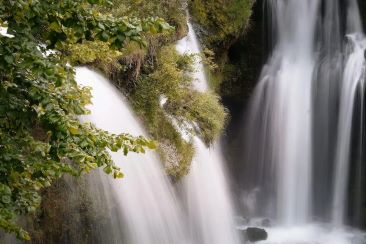
Photography enthusiasts find endless inspiration at Mandu Waterfalls. Early mornings offer diffused light. Overcast skies prevent harsh shadows. Use wide-angle lenses for landscapes. Long exposures create silky water effects. Protect equipment from moisture. Patience helps capture birds and mist. Each frame tells a story of movement and stillness.
12. Trekking and Nature Walk Opportunities
Short walks lead to several viewpoints. Trails pass through forests and rocky paths. During monsoon, these walks feel refreshing. Slippery surfaces demand caution. Proper footwear improves safety. Guided walks help visitors understand terrain and ecology. These gentle treks suit most fitness levels.
13. Best Time of Day to Explore Waterfalls
Morning hours are ideal. Light is soft. Crowds are fewer. Wildlife activity is higher. Afternoon rains may intensify suddenly. Evenings offer dramatic skies but limited visibility. Planning visits between sunrise and noon ensures safety and comfort.
14. How to Reach Mandu from Major Cities
Indore serves as the primary gateway. Well-maintained roads connect Indore to Mandu. Buses run regularly. Private taxis offer flexibility. The drive passes through rural landscapes. Monsoon enhances roadside greenery. Travelers should check road conditions during heavy rains.
15. Accommodation Options in and Around Mandu
Mandu offers heritage hotels, guesthouses, and budget stays. Some properties provide valley views. Staying overnight allows early exploration. Booking in advance during monsoon is advisable. Nearby Dhar also offers accommodation options. Comfort enhances the overall travel experience.
16. Local Food Experiences During Monsoon
Rainy weather enhances appetite. Local cuisine includes dal bafla, poha, and spicy curries. Hot tea tastes better near misty viewpoints. Small eateries serve simple meals. Fresh ingredients dominate seasonal cooking. Exploring food adds cultural depth to the trip.
17. Safety Considerations for Monsoon Travel
Rain brings risks. Roads may become slippery. Visibility may reduce suddenly. Visitors should avoid standing near edges. Following local advice is essential. Checking weather forecasts helps planning. Responsible behavior ensures enjoyable experiences without incidents.
18. Environmental Sensitivity of Seasonal Waterfalls
Seasonal streams are fragile. Excess foot traffic can erode soil. Litter blocks water flow. Noise disturbs wildlife. Sustainable tourism practices matter here. Carry waste back. Respect natural boundaries. These actions protect the ecosystem.
19. Community and Tourism Connection
Local communities benefit from tourism. Guides, drivers, and vendors depend on visitors. Supporting them encourages conservation. Engaging respectfully creates meaningful exchanges. Community-based tourism strengthens local economies while preserving heritage.
20. Comparing Mandu with Other Waterfall Destinations
Unlike perennial waterfalls, Mandu's cascades feel intimate. They lack overwhelming crowds. Their connection with history sets them apart. Visitors enjoy both culture and nature. This balance distinguishes Mandu from purely natural destinations.
21. Planning a One-Day Itinerary
Start early from Indore. Visit major monuments first. Explore waterfall viewpoints mid-morning. Enjoy lunch locally. Spend afternoons at scenic pavilions. Return before dusk. This plan suits travelers with limited time.
22. Multi-Day Exploration Benefits
Staying longer allows slow travel. Morning walks feel peaceful. Weather variations create new scenes daily. Deeper exploration of forests becomes possible. Multi-day stays enhance appreciation of Mandu's rhythm.
23. Responsible Photography and Social Media Use
Sharing images inspires travel. Avoid risky poses near cliffs. Do not disturb wildlife for photos. Authentic storytelling matters more than dramatic shots. Responsible sharing promotes safety awareness.
24. Cultural Events and Monsoon Atmosphere
Occasional cultural programs occur during tourist seasons. Music, storytelling, and local crafts appear near monuments. Rain enhances ambiance. Participating in such events adds depth to the visit.
25. Why Mandu Appeals to Slow Travelers
Mandu encourages unhurried exploration. Silence surrounds ruins. Nature fills spaces between monuments. Waterfalls add movement without chaos. This environment suits reflective travelers seeking calm.
Conclusion: Experiencing Mandu Beyond Stone and Time
Mandu offers more than architectural grandeur. Seasonal water flows soften its rugged identity. They reveal how nature and history coexist. Mandu Waterfalls appear briefly yet leave lasting impressions. They invite visitors to witness transformation, appreciate balance, and travel mindfully. Exploring Mandu during monsoon uncovers a quieter, more poetic side of Madhya Pradesh-one that rewards patience and respect.
Share the buzz