Kune Falls Maharashtra: A Scenic Waterfall Near Lonavala
Hidden among the misty hills of the Western Ghats, Kune Falls stands as one of Maharashtra's most captivating natural sights. Close to the popular hill town of Lonavala, this waterfall offers a perfect blend of accessibility and raw beauty. Travelers often associate Lonavala with viewpoints, forts, and monsoon drives. But, this cascading wonder adds a quieter charm to the region. Surrounded by dense forest cover, rocky cliffs, and cool mountain air, the waterfall feels like a peaceful retreat from city life. It appeals to nature lovers, photographers, couples, and weekend explorers seeking calm landscapes rather than crowded tourist hubs.
The experience here is not limited to watching water fall. It involves the journey, the sounds of the forest, and the shifting light across green slopes. Every season changes the mood of Dudhsagar Falls Goa the place, making repeat visits rewarding. This guide takes a detailed look at the waterfall, its setting, travel planning, and responsible ways to enjoy it.
Geographic Location and Landscape Setting
The Kune Falls are located between Lonavala and Khandala, two well-known hill stations in Pune district. It is positioned at an altitude of around 600 meters above sea level. The area benefits from cooler temperatures and frequent cloud cover during monsoon months. The surrounding landscape belongs to the Western Ghats, a UNESCO-recognized biodiversity hotspot.
Steep hills, laterite rocks, and thick vegetation dominate the terrain. Seasonal streams feed the cascade, while tall trees provide shade and shelter for birds and small wildlife. During rainy months, fog drifts slowly through the valleys, creating a dreamlike atmosphere. The natural layout of the region also explains why waterfalls here appear dramatic during monsoon yet subdued in summer.
Understanding the Three-Tier Waterfall Formation
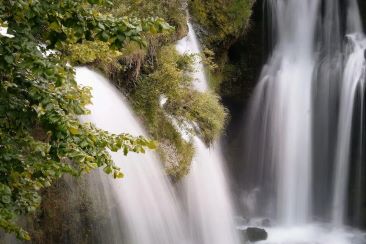
One of the most fascinating features of the Kune Falls is its three-tier structure. Instead of a single plunge, water descends in stages, each with a distinct character. The upper tier is relatively narrow and calm, often partially hidden by vegetation. The middle tier spreads wider, flowing over uneven rock faces. The lowest tier delivers the strongest visual impact, especially after heavy rainfall.
This layered descent creates depth and movement, making the waterfall visually engaging. It also affects how visitors experience the site. Viewpoints at different levels offer varied perspectives, from gentle streams above to powerful cascades below. Such formations are common in the Western Ghats, but few are as easily accessible and scenic.
Seasonal Changes and Their Visual Impact
Season plays a crucial role in shaping the experience. Monsoon, from June to September, transforms the entire region. Rain-fed streams swell, greenery intensifies, and the waterfall reaches its fullest form. The sound of rushing water dominates the surroundings, while mist softens distant views.
Post-monsoon months, from October to February, offer a balanced experience. Water flow remains steady, trails become safer, and the weather turns pleasant. This period suits families and casual travelers. Summer, from March to May, presents a quieter version. Water flow reduces, revealing rock formations and forest details. Though less dramatic, summer visits allow peaceful exploration and photography without crowds.
Climate and Weather Conditions to Expect
The hill climate keeps temperatures moderate throughout the year. Monsoon brings heavy rainfall and humidity, along with occasional landslides on nearby roads. Winter months feel cool, especially during early mornings and evenings. Fog can reduce visibility but also enhances the atmosphere.
Summer remains milder than nearby plains but can feel warm during midday. Visitors should prepare for sudden weather changes, especially during monsoon. Carrying light rain protection, sturdy footwear, and layered clothing improves comfort and safety.
Travel Routes from Mumbai and Pune
The proximity of Kune Falls to major cities makes it a popular weekend destination. From Mumbai, travelers usually take the Mumbai-Pune Expressway, covering the distance in about two hours. Pune travelers enjoy an even shorter journey. Lonavala railway station connects both cities through frequent train services.
From Lonavala, taxis and private vehicles are the most convenient options. The final approach involves narrow hill roads with sharp bends. These roads offer scenic views but require careful driving. During monsoon, reduced visibility and slippery surfaces demand extra caution.
Trekking Trails and On-Ground Access
Reaching the Kune Falls involves a short trek through forested terrain. The trail length is manageable for beginners but varies depending on the chosen route. During monsoon, mud and loose stones make the path slippery. Proper footwear with good grip becomes essential.
The trek offers its own rewards. Towering trees, wildflowers, and occasional bird sightings accompany visitors along the way. Sounds of flowing water guide the final approach. Local guides can be helpful, especially for first-time visitors unfamiliar with the terrain.
Flora and Fauna of the Surrounding Region
The forest around the waterfall supports diverse plant and animal life. Common tree species include teak, bamboo, and various deciduous varieties. During monsoon, ferns and mosses thrive, covering rocks and tree trunks.
Birdlife is particularly rich. Kingfishers, bulbuls, and drongos are often spotted. Insects and butterflies add color to the landscape. While larger wildlife tends to stay deeper in the forest, visitors should remain alert and respectful of the natural habitat.
Photography Opportunities and Scenic Viewpoints
Photography enthusiasts find endless inspiration here. The three-tier structure allows creative compositions, while surrounding greenery provides natural frames. Early morning offers soft light and mist, ideal for wide shots. Late afternoon creates contrast and highlights textures on rock surfaces.
Using a tripod helps capture long-exposure images of flowing water. Weather protection for equipment is necessary during monsoon. Visitors should prioritize safety over risky angles, especially near wet rocks and steep edges.
Nearby Attractions Worth Exploring
The area around Lonavala offers numerous attractions that pair well with a waterfall visit. Lion's Point and Tiger's Leap provide sweeping valley views. Bhushi Dam becomes lively during monsoon, though it attracts crowds. History enthusiasts can explore Rajmachi Fort, which offers trekking routes and panoramic vistas.
Ancient Karla and Bhaja caves reveal rock-cut architecture and Buddhist heritage. These sites add cultural depth to a nature-focused trip. Combining these attractions creates a well-rounded itinerary suitable for weekend travel.
Cultural Context and Local Communities
The region around Lonavala blends natural beauty with local culture. Small villages nearby depend on seasonal tourism for livelihood. Local food stalls, taxi services, and guides benefit directly from visitors. Supporting these services contributes to the local economy.
Monsoon holds cultural significance in Maharashtra, symbolizing renewal and abundance. Many locals view waterfalls and rivers with reverence. Respecting traditions and maintaining cleanliness aligns with local values and enhances the travel experience.
Safety Tips and Responsible Travel Practices
Safety should remain a priority, especially during rainy months. Avoid venturing too close to the edge of the cascade. Swimming is unsafe during strong water flow. Always follow local advisories and weather updates.
Responsible travel ensures preservation of fragile ecosystems. Carry reusable bottles, avoid plastic waste, and stick to marked paths. Loud music and litter disturb wildlife and other visitors. Simple mindful actions help protect the site for future generations.
Ideal Itineraries for Different Travelers
Day trippers can combine a morning visit to the Kune Falls with lunch in Lonavala and an evening viewpoint stop. Weekend travelers may add trekking, cave visits, or a relaxed stay at a hill resort. Couples often prefer early morning or weekday visits for quieter moments.
Nature enthusiasts may plan visits across seasons to observe changing landscapes. Each itinerary style finds something valuable in this destination, making it adaptable to varied travel preferences.
Final Reflections on This Western Ghats Waterfall
A visit to Kune Falls offers more than a scenic stop near Lonavala. It represents the charm of the Western Ghats, where water, forest, and hills coexist in harmony. From monsoon drama to winter calm, every season reveals a different side of the landscape. With mindful planning and respect for nature, travelers can enjoy a fulfilling experience. This waterfall remains a reminder that some of the most refreshing escapes lie just a short drive away from busy cities.
Youtube Video
Share the buzz