Visit Barehipani Falls in Odisha: The Sunrise Waterfalls
The Barehipani Falls is hidden deep within the lush forests of Simlipal National Park. Most importantly, it is one of India's tallest and most captivating waterfalls. Known for its magical sunrise views, this natural wonder offers a mix of serenity, adventure, and scenic beauty.
From misty cascades to dense greenery, every moment here feels like a postcard. Moreover, the journey Chitrakote Waterfall itself is as rewarding as the destination. Travelers often describe the experience as both calming and exhilarating.
For seeking a peaceful yet thrilling escape, Barehipani Falls firstly deserves a top spot on your travel list. It offers a rare chance to disconnect from urban chaos and reconnect with nature in its purest form.
1. Where is Barehipani Falls Located?
Barehipani Falls lies in the Mayurbhanj district of Odisha, inside the protected zone of Simlipal National Park. The region is meanwhile known for its biodiversity and untouched landscapes.
This remote setting enhances its charm and exclusivity. Unlike crowded tourist spots, the Barehipani Falls offers a raw connection with nature. Above all, dense forests, rolling hills, and hidden streams surround the waterfall.
The falls are not directly accessible without forest permission. That helps preserve their Twin Falls pristine condition. This controlled access further ensures a quieter and more immersive experience for visitors.
2. Why Barehipani Falls is Called the Sunrise Waterfall
One of the most unique features of this waterfall is how it further transforms at sunrise. As the first rays of sunlight hit the cascading water, the valley glows with golden tones.
The mist rising from the falls catches the light beautifully. This creates a dreamy, almost surreal atmosphere. Moreover, it's a sight that feels both peaceful and powerful.
Early morning visits are highly recommended for this reason. The combination of light, sound, and fresh air makes it unforgettable. Photographers often plan their entire trip around capturing this magical moment.
3. Height and Geological Beauty
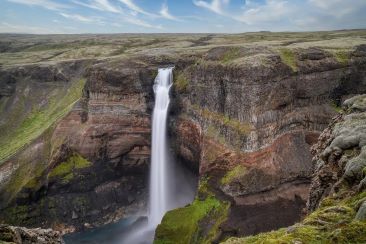
Standing at about 399 meters, Barehipani falls ranks as the second-highest waterfall in India. Its two-tiered structure further adds depth and drama to its appearance.
Water flows down rugged cliffs carved over centuries. The surrounding rock formations tell a story of geological evolution. Above all, the contrast between hard rock and flowing water is striking.
This natural formation firstly creates a mesmerizing visual. It is both grand and elegant at the same time. During peak flow, the sheer force of the water adds a powerful dimension to its beauty.
4. Best Time to Visit Barehipani Falls
The ideal time to visit Barehipani Falls is from October to March. During this period, the weather remains cool and comfortable. The skies are usually clear, offering better visibility.
Post-monsoon months enhance the beauty of the waterfall. During these months, the water flow is strong, yet safe for viewing. The surrounding greenery also looks fresh and vibrant.
Avoid peak monsoon due to restricted access. Safety concerns and slippery paths can affect travel plans. Planning your visit during winter mornings ensures the best sunrise experience.
5. How to Reach the Falls
To reach Barehipani falls, most travelers begin from Baripada. This town further acts as a gateway to Simlipal National Park.
From Baripada, you can hire local transport to the park's entry points. The nearest airport is in Bhubaneswar, which is well connected to major cities. Moreover, rail connectivity is available up to Baripada.
Once inside the park, designated routes and viewpoints guide visitors. The journey further includes scenic forest drives filled with greenery, wildlife sightings, and refreshing air.
6. Entry Rules and Permits
Since the waterfall further lies within a protected reserve, permits are mandatory. These are issued by forest authorities at entry gates.
Above all, visitors must follow strict guidelines to protect the ecosystem. Plastic usage is restricted, and littering is prohibited. These rules help maintain the area's natural beauty.
It's advisable to carry identification and check timings in advance. However, entry may be limited during certain seasons. Respecting these rules ensures a sustainable travel experience.
7. Wildlife and Biodiversity Around the Falls
The surrounding forest is rich in biodiversity. It is home to elephants, deer, and the elusive Bengal tiger. The park is recognized as a tiger reserve also.
Bird lovers will find plenty to admire here. Rare and colorful species can often be spotted. The region's flora meanwhile includes medicinal plants and dense vegetation.
This ecological richness makes the visit more meaningful. It's not only about the waterfall, but also about the entire ecosystem. Every step into the forest reveals something unique and fascinating.
8. Top Viewpoints for the Best Experience
Visitors can enjoy the waterfall from well-maintained viewpoints. These spots further provide safe and panoramic views of the falls.
Each viewpoint further offers a slightly different perspective. Some highlight the height, while others focus on the surrounding valley. The mist and greenery add layers to the scenery.
These vantage points are ideal for soaking in the beauty without disturbing the environment. Spending time at multiple viewpoints gives a fuller experience of the landscape.
9. Photography Tips for Stunning Shots
Photography enthusiasts will meanwhile find endless opportunities here. Early morning light is perfect for capturing golden reflections.
Use a zoom lens to frame the Barehipani Falls from a distance. A tripod further helps achieve steady long-exposure shots. This creates a smooth, silky water effect.
Meanwhile, protect your equipment from moisture. The mist near the falls can be heavy at times. Experimenting with angles and framing can result in truly unique captures.
10. Nearby Attractions to Explore
While visiting Barehipani falls, meanwhile explore nearby attractions within Simlipal National Park. A must-visit spot is Joranda Falls, known for its vertical drop.
Likewise, you can enjoy jeep safaris and forest trails also. These activities offer a closer look at the region's wildlife and landscapes.
Exploring multiple spots makes the trip of Barehipani Falls more fulfilling. It adds variety and depth to your itinerary. Above all, each attraction showcases a different aspect of the park's beauty.
11. Cultural Significance and Local Connection
The region around Simlipal holds cultural importance for local tribal communities. Similarly, their traditions are closely linked to nature.
Festivals and rituals often reflect respect for forests and water bodies. Visiting the area meanwhile gives insight into their sustainable way of life.
Supporting local guides and services helps promote responsible tourism. It also benefits the community economically. Engaging with locals can add a meaningful cultural layer to your trip.
12. Travel Tips for a Smooth Journey
Plan your trip in advance and check permit requirements. Carry essentials for example water, snacks, and a first-aid kit.
Above all, wear comfortable clothing and sturdy footwear. The terrain can be uneven and requires careful walking.
However, mobile networks may be weak inside the park. Inform someone about your itinerary before entering. Being prepared ensures a safe and enjoyable experience.
13. Accommodation Options Near Simlipal
Accommodation options are available near the park's entry zones. For instance, forest rest houses and eco-resorts are popular choices.
Staying close to the park allows early access for sunrise views. Some lodges also offer guided tours and safari packages.
Booking in advance is recommended, especially during peak season. Choosing eco-friendly stays helps preserve the environment.
14. Adventure Activities Around the Region
Beyond sightseeing, the region further offers light adventure opportunities. Nature trails and guided treks are popular among visitors.
Jeep safaris meanwhile provide a chance to explore deeper parts of the forest. These activities bring you closer to the wilderness.
Adventure here is subtle yet rewarding. It further focuses more on exploration than adrenaline.
15. Responsible Tourism Practices
Preserving the beauty of Barehipani falls requires mindful travel. Most importantly, avoid littering and stick to designated paths.
Likewise, respect wildlife and maintain a safe distance. Do not disturb natural habitats.
Choosing eco-friendly options and supporting local communities can make a positive impact. Responsible tourism further ensures that future generations can enjoy this natural wonder.
Conclusion
A visit to Barehipani Falls is more than just sightseeing. It's a journey into one of India's most pristine natural environments. From golden sunrises to lush green surroundings, every moment further feels special.
The experience of Barehipani Falls combines scenic beauty, cultural richness, and ecological importance. Above all, it leaves travelers with lasting memories and a deeper appreciation for nature.
Share the buzz